









How to Measure Rhinestone Sizes? A Complete Rhinestone Size Chart
How to Measure Rhinestone Sizes:?A Complete Guide Using Millimeters (MM)
Navigating the world of rhinestones for your fashion and accessory projects requires precision. With various shapes like round, flatback, and chaton, selecting the correct size is crucial. This guide will show you how to measure rhinestones accurately using millimeters (mm)—the universal and most straightforward unit of measurement.
Why Use Millimeters (MM)?
Millimeters provide a standardized, direct measurement system used globally. Unlike specialized units like SS or PP, mm requires no conversion and offers clear, precise sizing for all types of rhinestones, including acrylic, resin, glass, and crystal varieties.
How to Measure Rhinestones in Millimeters
Measuring your rhinestones accurately is simple with the right tools.
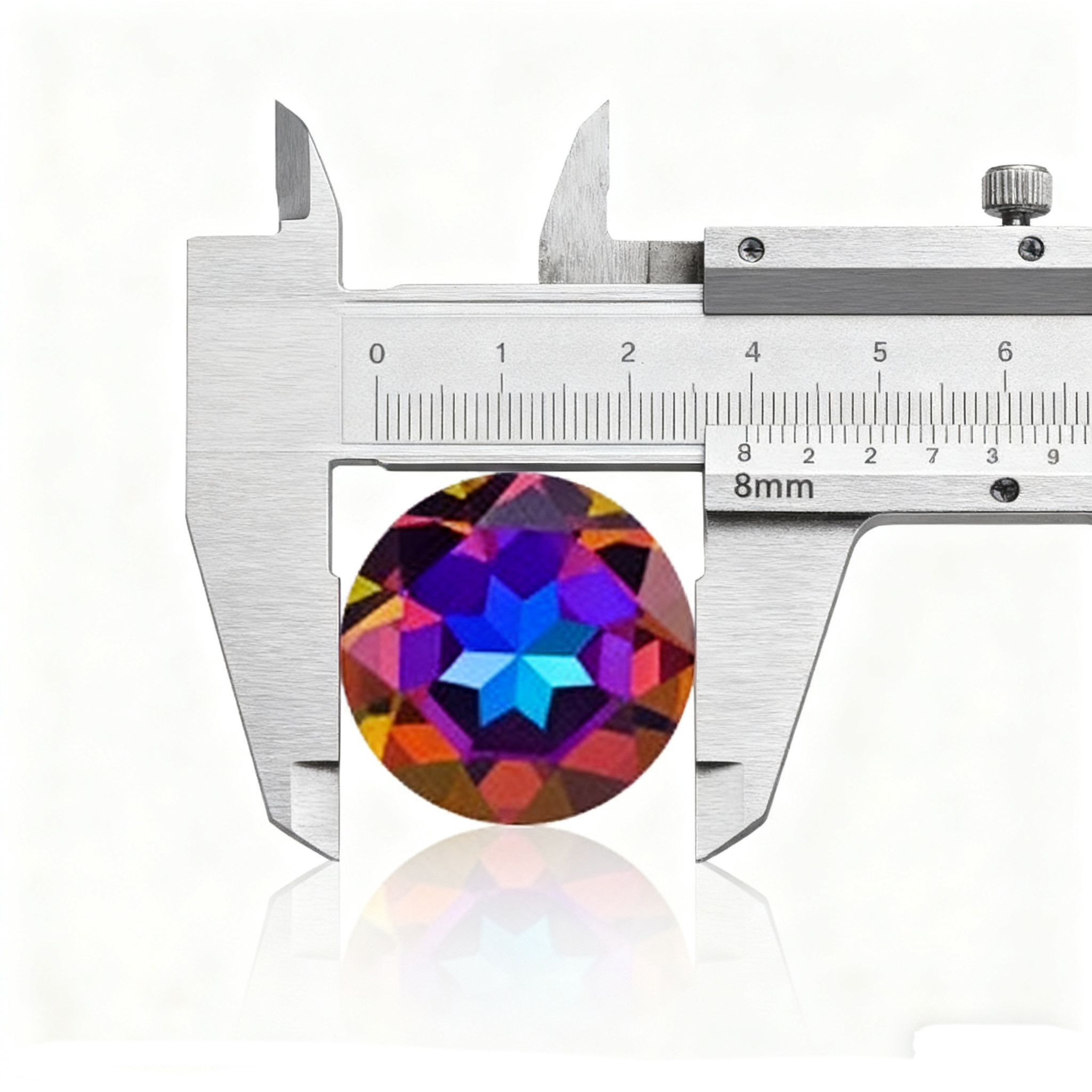
1. Using Digital Calipers (Recommended)
This is the most accurate method. Gently measure the diameter of round stones or the length and width of shaped stones. The reading in mm is your exact size.
2. Using a Printable MM Size Chart
Find or create a 1:1 scale size chart with circles labeled in millimeter increments. Place your rhinestone over the circles to find the best match.
3. Specialty MM Gauges
Some suppliers offer physical gauges with holes or indentations corresponding to common millimeter sizes for quick matching.
Crucial Consideration: Accounting for Manufacturing Tolerances
A critical factor when working with mm measurements is understanding production tolerances. Rhinestones made via injection molding (acrylic) or compression molding (resin) often have slight size variations.
Material-Specific Considerations
Choosing the Right Material:
Glass/Crystal: Superior sparkle, precise sizing, higher cost
Acrylic: Lightweight, color versatility, cost-effective
Resin: Durability, unique finishes, moderate pricing
Project Recommendations:
High-End Fashion: Glass/crystal for maximum brilliance
Costume Design: Acrylic for lightweight coverage
Accessories: Resin for durability and color options
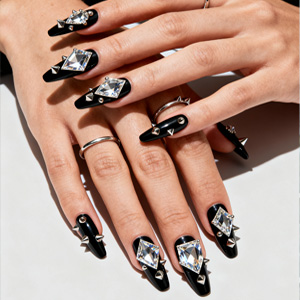
Nail Art: Small acrylic stones for easy application
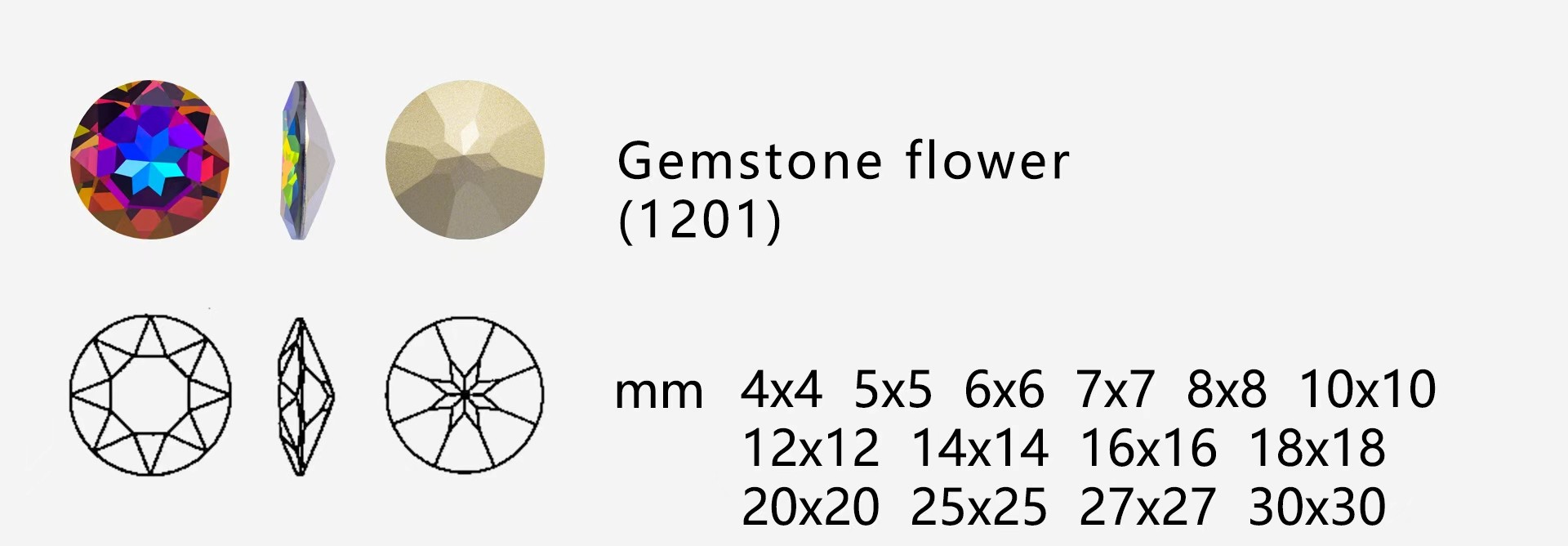
Standard Millimeter Size Chart for Rhinestones
Here is a reference chart for common round rhinestone sizes in millimeters:
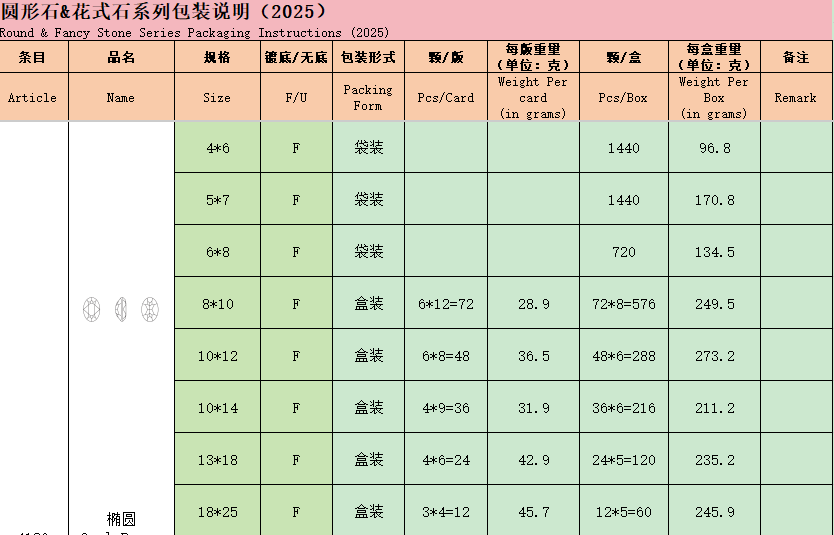
Common Questions Answered
How do I ensure accurate measurements?
Use digital calipers for precision
Measure multiple stones from the same batch
Account for manufacturing tolerances in your designs
What's the best way to plan spacing?
Create a physical mockup with actual stones
Consider both stone size and desired spacing between stones
Test adhesive application before committing to final project
Conclusion
Using millimeters (mm) as your sole sizing standard simplifies the process of selecting and using rhinestones. By mastering measurement with calipers and, most importantly, accounting for real-world tolerances by checking physical samples, you can ensure professional results in all your creative projects.
Mastering rhinestone measurements in millimeters empowers creators to execute their visions with precision and confidence. By understanding how to accurately measure, account for tolerances, and calculate quantities, you can ensure professional results in every project.
Remember these key principles:
1.Always verify sizes with physical samples
2.Account for manufacturing tolerances in precision work
3.Choose materials appropriate for your specific application
4.Plan quantities carefully to avoid shortages
With this comprehensive understanding of millimeter-based sizing, you're equipped to tackle any rhinestone project with accuracy and creative success. Whether you're working on delicate jewelry or large-scale decorative pieces, precise measurement in millimeters provides the foundation for beautiful, professional results.